
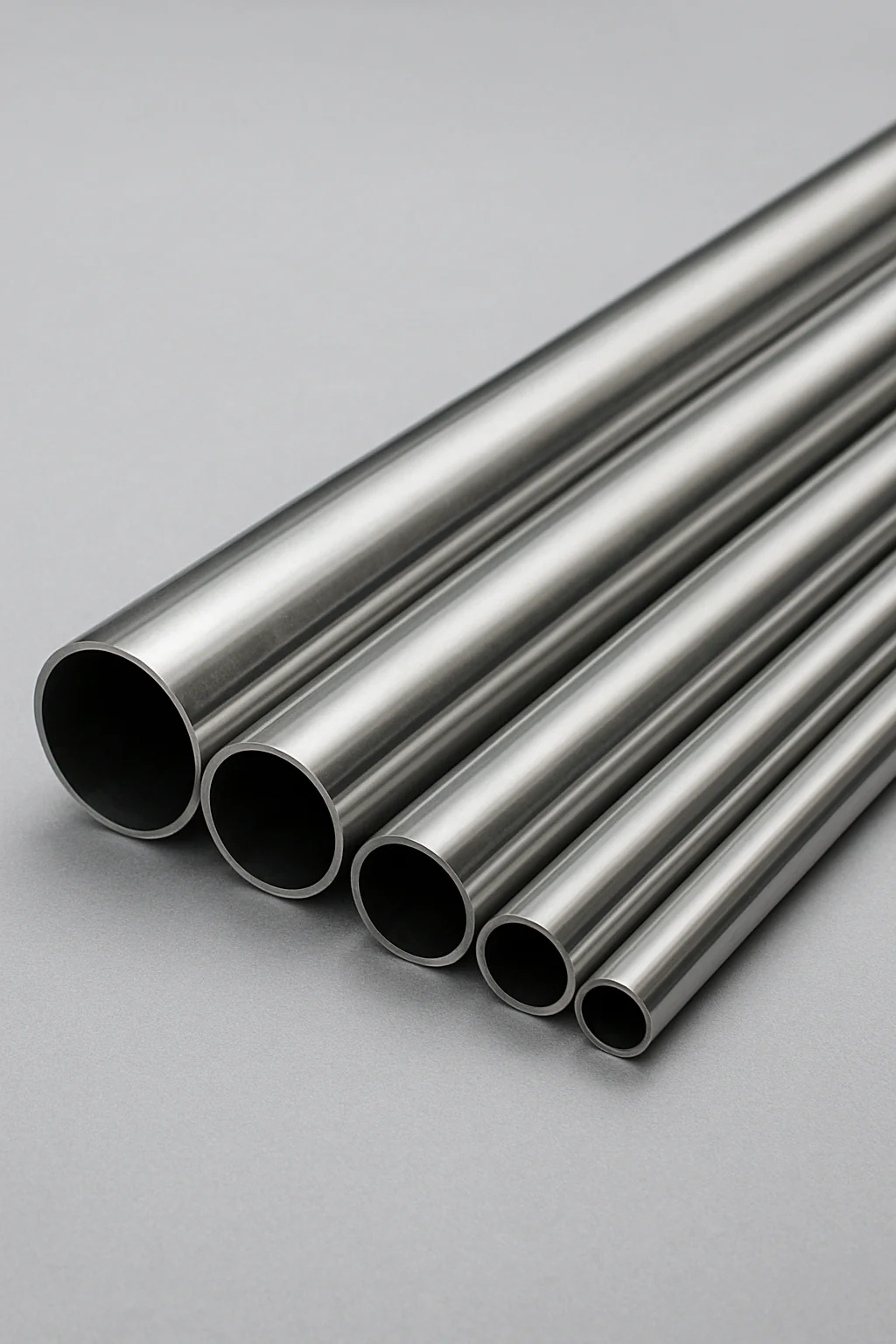




In the world of industrial procurement, the term “stainless” is often misunderstood. For project engineers and procurement officers, discovering surface “tea-staining” or localized pitting on a newly installed pipeline is more than an aesthetic issue—it is a high-stakes failure that leads to costly downtime and safety liabilities.
At YES Stainless International, we believe that transparency is the foundation of quality. This guide dives into the technical reasons behind stainless steel corrosion and provides the inspection metrics you need to safeguard your international supply chain.
The Chemistry of Resistance: Understanding the PREN
The Buyer’s Challenge: “I ordered Grade 316, but it’s pitting in a coastal environment. Is the material defective?”
Stainless steel’s resistance comes from a “Passive Layer”—a microscopic film of chromium oxide. If this layer is breached, rust begins. While Nickel (Ni) provides ductility, Molybdenum (Mo) is the secret weapon against chloride-induced pitting.
The Professional Metric: PREN Formula
To compare alloys objectively, buyers should use the Pitting Resistance Equivalent Number (PREN):
Buyer Scenario: If you are sourcing pipes for an offshore platform or chemical plant, look for a PREN > 32. If an MTR (Mill Test Report) shows a PREN of only 24 for a high-salinity environment, the material is likely to fail regardless of the brand.
Intergranular Corrosion (IGC): The Hidden Weld Threat
The Buyer’s Challenge: “The pipe body looks perfect, but it failed at the welded joints. Why?”
During welding, if the steel is exposed to temperatures between 450°C and 850°C, chromium carbides can form at the grain boundaries. This leaves the surrounding area depleted of chromium—a process called sensitization.
The Solution: For any project involving welding, always specify “L” grades (e.g., 316L or 304L).
Technical Standard: “L” grades keep Carbon content below 0.03%, preventing carbide precipitation. At YES Stainless, we verify our stock to ensure our pipes withstand the most rigorous welding requirements.
Surface Integrity: Beyond Aesthetics
The Buyer’s Challenge: “Small scratches and ‘bruises’ are appearing on the pipe surface. Does this affect performance?”
Surface defects are not just cosmetic. Scratches or embedded iron particles from carbon steel tools create “crevices” where oxygen cannot reach. Without oxygen, the passive layer cannot self-heal, leading to Crevice Corrosion.
What to Look For: Ensure your supplier performs professional Passivation. This chemical treatment removes free iron and contaminants, optimizing the protective oxide layer.
Pro Tip: For pharmaceutical or food-grade applications, always check the Surface Roughness (Ra) specs. Smoother surfaces equal higher corrosion resistance.
How to Read an MTR (Mill Test Report) Like an Expert
The Buyer’s Challenge: “I have the paperwork, but how do I know the steel is actually up to code?”
The Mill Test Report (MTR) is the “birth certificate” of your steel. A professional buyer must verify these four pillars:
Heat Number Traceability: Ensure the physical stamp on the pipe matches the MTR exactly.
Chemical Heat Analysis: Verify that Cr, Ni, and Mo meet the minimum ASTM/ASME requirements for your specific grade.
Mechanical Properties: Confirm that the Yield Strength and Tensile Strength meet your engineering safety factors.
Non-Destructive Testing (NDT): Look for evidence of Eddy Current or Hydrostatic Testing to ensure there are no internal leaks or cracks.
Logistics Contamination: The “Hidden” Cause of Rust
The Buyer’s Challenge: “The pipes left the mill clean but arrived at my port with brown spots.”
This is often caused by Cross-Contamination. If stainless pipes are shipped in the same container or stored near carbon steel without protection, carbon dust can settle on the stainless surface. This triggers Galvanic Corrosion.
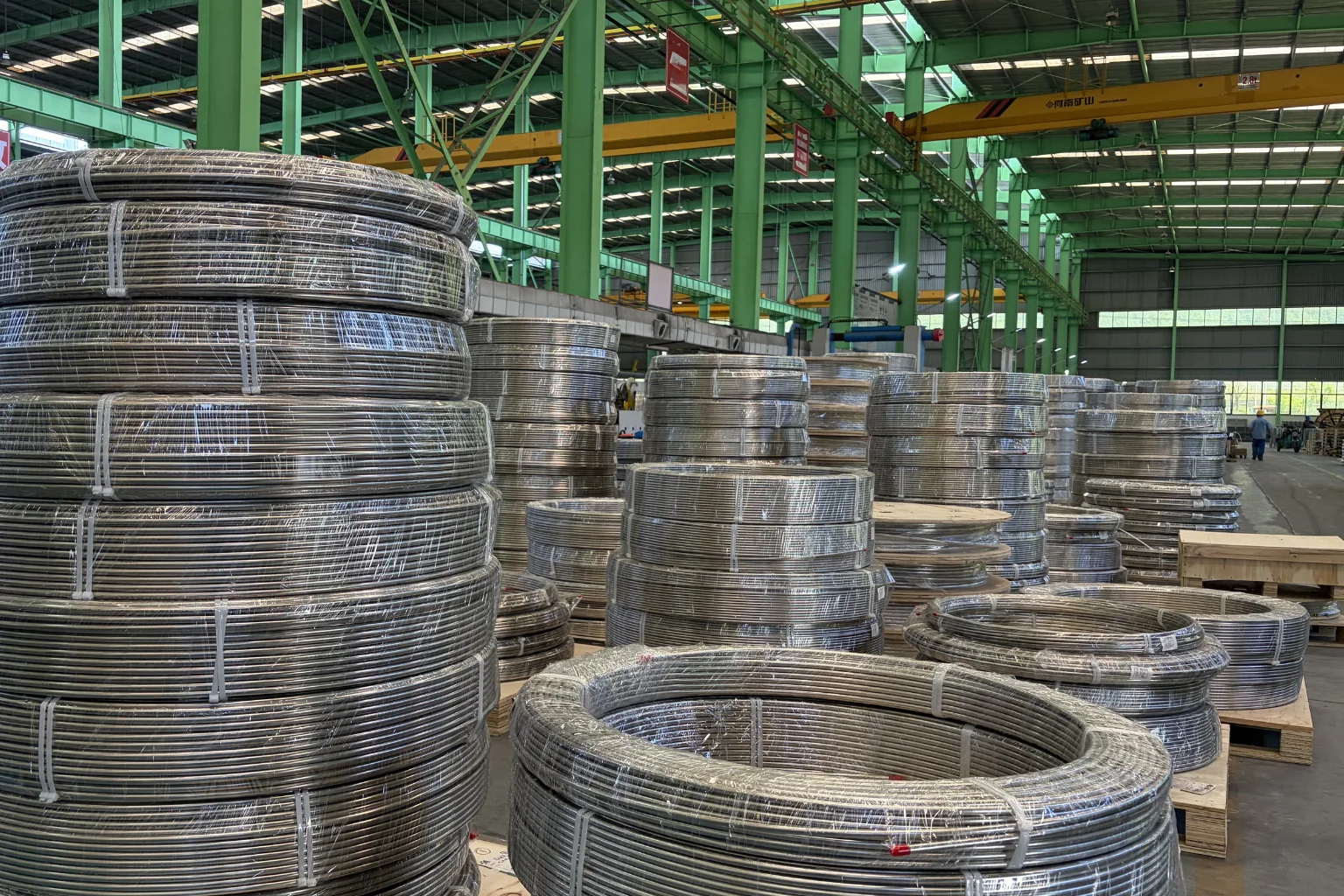
The YES Stainless Commitment: We utilize dedicated handling equipment and protective packaging—including end caps and reinforced wooden crates—to ensure your cargo remains “carbon-free” from our facility in Taiwan to your final destination.
Conclusion: Quality is a Choice, Not a Chance
Buying stainless steel pipe is an investment in the longevity of your infrastructure. By focusing on PREN values, Low-carbon grades, and MTR transparency, you eliminate the risks that lead to premature failure.
Partner with a Technical Expert
At YES Stainless International, we don’t just ship pipes; we provide peace of mind through technical excellence and rigorous quality control.
Looking for a reliable partner for your next project?
Contact our Technical Sales Team Today for a quote or a deep dive into our latest material certifications.
Ready to schedule a shipment?
Share your spec, test plan, and destination – we’ll confirm feasibility and delivery windows.
